Introduction:
When I first started AS media, I found it quite difficult because it was my first time ever studying media. I then got use to researching and posting on my blog and working with other students in the class. I was taught how to edit, make Vlogs and record and use sound effects which was very interesting for me. I now know how to use Camtaisa and Audacity and I believe that this would be very useful for A2 especially for the editing and recording aspects of the whole A2 production.
A2 will be more challenging for me because it is completely different, for AS it was a 5 minute bulletin about our radio show. However for A2 we have to make a five minute film documentary of a place or someone. we can either do this individually or as a group of 4. i decided to work in a group because i feel like its better to work as a team and you learn new techniques from the members of your group. I am able to incorporate all my ideas into the documentary, and i feel that it will be more creative that way. As a group we decided to do a documentary about 'Isaiah' who is a young black teenager who loves buses. We all thought this is something that is fascinating and it is unusual, especially when you black male are stereotyped to being on a gang, this juxtaposes the impression of him being in a gang.
Research and planning:

James kaufman Robert Sternberg
James Kaufman is a psychologist known for his research on creativity. He is a Professor of Educational Psychology at the University of Connecticut in Storrs, Connecticut. Sternberg is an American psychologist and psychometrician. He is Professor of Human Development at Cornell University. Focuses on the aspects of novelty, quality and relevance. Novelty can be anything you want but it must be creative and has to be original and unique to the work it maybe compared to, so that there is no similarities. Quality usually work that has been produced is being useful and quite impressive and better than others. Anyone could draw stickmen on paper and show that configuration are different which could be true, but for it to have quality it would then needs different and eye opening to the audience, it needs to grab their attention. this varies on , space, persons, time and situational constraints. Relevance which can be determined through how useful something is and whether its purpose is ultimately fulfilled like leaving a reaction, completing an action.
Rick Altman:

Rick Altman is a professor of Cinema and comparative literature. Altman had a theory of semantic/syntactic approach to film genre, these are two way he worked with film genre, Semantic is the way media presents like the character, including clothes makeup etc,which adds to the story line. syntactic is about the relationship between the character and the setting, and the structure of the narrative genre. Genre is made up of different pleasures that are offered to the audience when watching any type of documentary.
Visceral: The emotional reaction of the audience.
Intellectual puzzles: A reaction that gives the audience thrill and excitement.
Emotional: The audiences response through emotion.
film documentaries is something that is quite new to because, this is something I've never done before. For me to familiarise myself with documentary film I had to research the film makers and understand the techniques that they use to edit their films. Understanding how they make it so uniquely interesting to their viewers. After analysing their techniques some how I need to incorporate their techniques into my film documentary.
so far I have learnt to interview people, but by trying to make it as naturalistic as possible, not making it seem like it is an interview but making it seem that we are actually interested in what they talk about. By making sure that I incorporate different camera shots, this will help me understand on how to conduct a documentary method.
So far I've used YouTube which is a great source to help me find different types of documentaries, and one that I was fascinated by was 'The Carter-lil wayne' which was released in 2009, directed by Adam Bhala Lough. which talks about lil Wayne's life, girls and how its like being in the music scene as a rap artist.

Primary Research:
Genesis Cinema
- Genre
- Representation
- Narrative
- Audience
- Media Language
Audience:

For my research I used the school trip the East End film festival, the Genesis Cinema in East London on the 29th of June 2016. The reason why i went there is because i wanted to understand the audience who like specialist films, because it would give me a much more broader understanding of the audience who are interested in the specialist films. Therefore i felt like i could i apply my understanding of audience to my documentary, and analyse their thoughts on the films.
We watch 8 short movies;
We watch 8 short movies;
The Chop (17 minutes),
Kill it 4 the Kids (3 minutes),
Afrobeats (8 minutes),
Wax (4 minutes),
A Short Guide To Re-Entry (15 minutes),
Underneath the Noise (8 minutes),
Nipplejesus (16 minutes),
Jade Dragon (9 minutes)
Patriot (15 minutes).
My two favourite short movies:
THE CHOP


THE CHOP
'The Chop' was the first short film I saw and I thought that it was uniquely funny. The concept of the film talks about a Jewish man who gets fired at a Jewish butcher shop, and then he decides to pretend to be Muslim and work at a halal butcher shop. Throughout the scenes there is complications between him and the people that he's working with and they find out that hes not actually Muslim. I found this funny because there was a big difference between the two. Then at the end the guy decides to make his own butcher shop with both halal and kosher, this emphasises a sense of unity between the two.
A SHORT GUIDE TO RE-ENTRY

'A short guide to re-entry' was one of the short films I enjoyed watching, it was directed by Anwar Boulifa. The Narrative aspects of the short film tells you about an ex-convict who was released from prison, and it is trying to get use to life out of prison. However he finds it difficult to position himself back into society, 're-entry' meaning he's trying to go back to his life before he went to prison. Some of the shots of the film was from his perspective, revolving around the main characters life, I thought that this was a very smart technique because the audience are able to empathize with an ex-convict which showed the irony of the situation. I think this because if you break the law you deserve to do the time, but after understanding his situation you feel some sort of remorse towards him. Even when he killed someone at the end, i felt empathy towards him because he didn't like society and he wanted to do something just to go back to prison.

The graphic above portrays various ways that you can obtain the information that you get. depending how you have research, whether its questionnaires, reading books or even conducting interviews. This diagram will inform you which research you have conducted. It is also a great way to identify the codes and convention in much more detail, so that you are able to embed them into your research, to have a greater understanding of your research.
Secondary Research:
The difference between TV and Film Documentary

There is a difference between a film documentary and a TV documentary, people like Werner Herzog are known for ' Lo and behold' and the 'Grizzly man', and both of these documentaries are for film. Whereas TV documentaries like 'Reggie Yates in a texan jail' and 'Being Black, Going Crazy' are both TV documentaries which are presented episodically, and the timing for the film documentaries are usually from 1/2 hours whereas the TV documentary are mostly half an hour, Our documentary is less than 10 minutes which makes it a TV documentary.
Film Documentary
Werner Herzog

Werner Herzog is a film director, author, actor and opera director. Herzog is considered one of the greatest figures of the New German Cinema along with Rainer Werner,
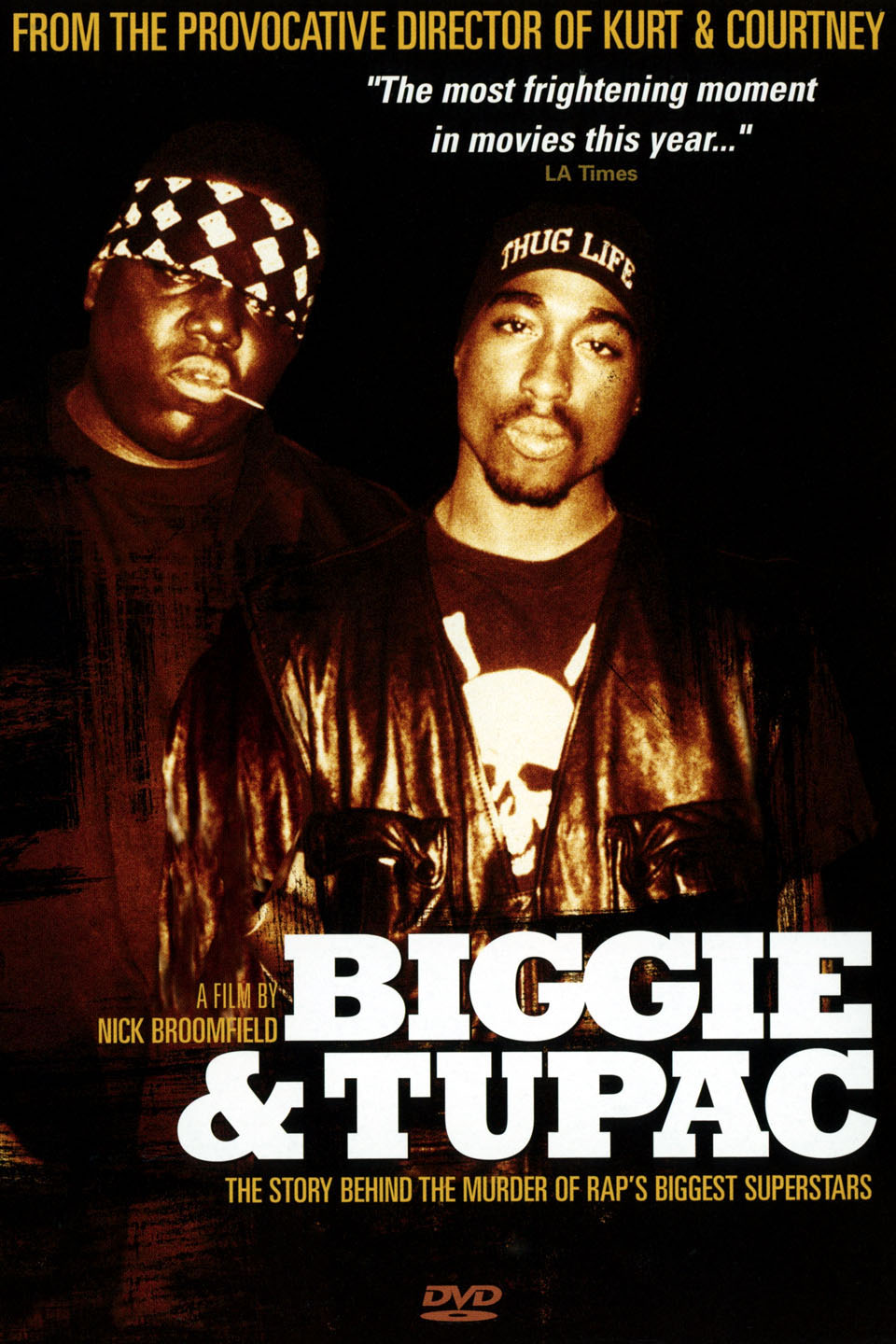 In 2002 Nick Broomfield made a feature called 'Biggie & Tupac' which talks about the conspiracy of the rappers' death. Broomfield believes that Suge Knight (head of death row records) was the one who planned their deaths. Broomfield's documentary was based on the theory and interviews of Russell Poole.Poole claimed that the L.A.P.D. Conspired to cover up Suge Knight's conspiracy to kill Tupac and Biggie. The documentary shows Poole to have been forced out of his position as an L.A.P.D. Russell Poole suspected ex-cop David Mack and Amir Muhammed to have worked with Suge Knight to kill Biggie. The shooting was carried out by the Compton gang called the South side Crips to avenge the beating of one of its members by Shakur a few hours earlier.
Herzog's films often feature heroes with impossible dreams, people with unique talents in obscure fields, or individuals who are in conflict with nature.
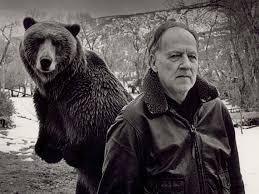 Warner Herzog is very well known for the documentary' Grizzly Man' which was documented in 2005. It portrays the life and death of Timothy Treadwell who was a bear devotee. The docmentry contains some of Treadwell's own footage of his interactions with the Grizzly Bears, of interviews with people who knew Treadwell.Timothy Treadwell and (his girlfriend Amie Huguenard) were killed and eaten by a grizzly bear in 2003. Treadwell's footage was found after his death, and the film was released 2 years after his death. In the film there are scenes of Herzog speaking to Treadwell's friends and family about him and his death. and Treadwell actually hears the tapes that was recorded around the time of Timothy's death.
Werner Herzog was able to portray Timothy Treadwell's love for Grizzly bears in a exceptional way.This brought out the abnormal but loving relationship Treadwell had with the Grizzly bears. The fact Herzog was able to conduct Humor, melancholy and love in one production is something that is absolutely creative, even to insert tapes that was actually recorded by Treadwell himself was something that was creatively structured and uniquely planned. This is something was able to grab the audience and make them entertained because it was a footage from Timothy Treadwell himself, this brings realism into the film. The whole point of a documentary is to make the audience feel invovled and feels as though they are going on a journey with Timothy Treadwell and thats how i felt whilst watching the documentary. that is something Werner Herzog was able to do by using Timthoy Treadwell's own recordings and inserting them to the film make it realistic.
Werner Herzog was able to portray Timothy Treadwell's love for Grizzly bears in a exceptional way.This brought out the abnormal but loving relationship Treadwell had with the Grizzly bears. The fact Herzog was able to conduct Humor, melancholy and love in one production is something that is absolutely creative, even to insert tapes that was actually recorded by Treadwell himself was something that was creatively structured and uniquely planned. This is something was able to grab the audience and make them entertained because it was a footage from Timothy Treadwell himself, this brings realism into the film. The whole point of a documentary is to make the audience feel invovled and feels as though they are going on a journey with Timothy Treadwell and thats how i felt whilst watching the documentary. that is something Werner Herzog was able to do by using Timthoy Treadwell's own recordings and inserting them to the film make it realistic.
NICK BROOMFIELD
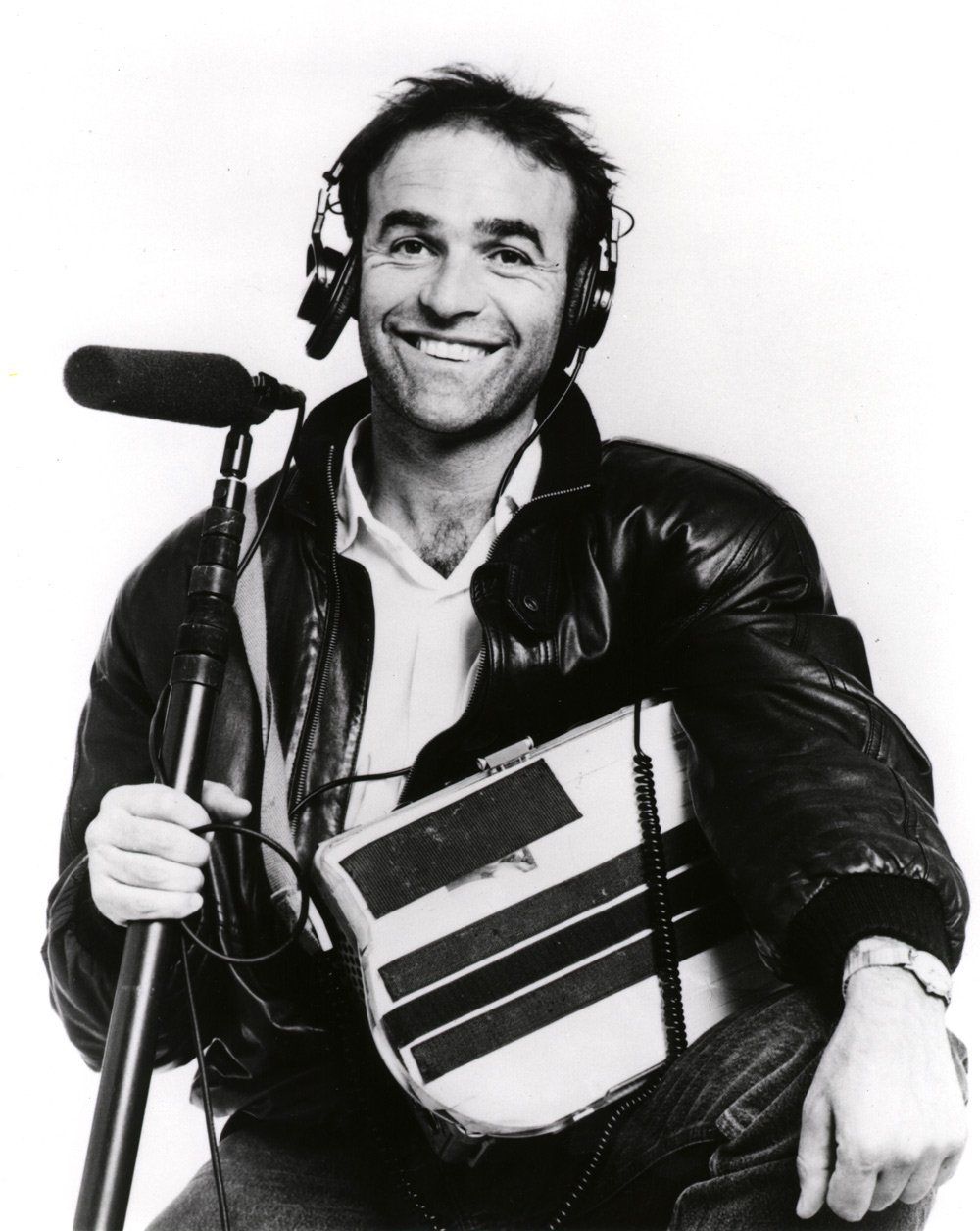
Nicholas Broomfield was born on the 30th January, he is an english film maker. He is well known for his unique style and how he was able to incorporate into his documentaries, making films that were also about the making itself as well as the ostensible subject. His influence on documentary could be seen by the work of younger filmmakers in the first decade of the 21st century. film-making style was strongly influenced by Broomfield's struggles in trying to gain distribution for his earlier documentary. In 2006, Broomfield changed his style again, adopting techniques of what he calls 'Direct Cinema', using non-actors to play themselves in dramas with a screenplay.
In 2002 Nick Broomfield made a feature called 'Biggie & Tupac' which talks about the conspiracy of the rappers' death. Broomfield believes that Suge Knight (head of death row records) was the one who planned their deaths. Broomfield's documentary was based on the theory and interviews of Russell Poole.Poole claimed that the L.A.P.D. Conspired to cover up Suge Knight's conspiracy to kill Tupac and Biggie. The documentary shows Poole to have been forced out of his position as an L.A.P.D. Russell Poole suspected ex-cop David Mack and Amir Muhammed to have worked with Suge Knight to kill Biggie. The shooting was carried out by the Compton gang called the South side Crips to avenge the beating of one of its members by Shakur a few hours earlier.
Tupac Shakur attended the Bruce Seldon VS. Mike Tyson boxing match with Suge Knight at the MGM Grand in Las Vegas,Nevada. This is why Broomfield strongly believed that Suge Knight was the one that planned Tupac's death because he was last seen in the car, and he did not die in the shooting. He also belives that Suge Knight killed Biggie, because they had simillar deaths, and around that time Death Row and Bad Boys were not on good terms.
Although the documentary is targeted on the deaths of two famous rappers, it can be said to represent crime in a wide aspect as gang-related issues which occurred within the East and West Coast of America was prominent for 7 years, placing not only artists but fans too who were ordinary and usually innocent individuals. It shows the impact rivalry can have between two groups of people and so also represents America during those times as an era of feudal war in the hip-hop scene. The documentary's demographic would be fans of Biggie and Tupac, primarily younger males who were into their music or even audiences interested in knowing about their deaths as they were rappers who both knew each other and made music. As Tupac and his parents were part of the Black Panther movement, that sparked many events to occur, eventually becoming one of the most influential rappers of all time.
Nick Broomfield brought a type of murder mystery genre feeling into the documentary, its now 2016 and its been 19/20 years since Biggie and Tupac's death and we still do not know who killed who. The representation of the documentary tells us that Suge Knight who was one of Tupac's close friends but an enemy of Biggie, was the one who killed them both. It tell the audience that the rap scene is quite scary anyone can get killed at any moment. The audience would be people who were big fans of Biggie and Tupac even close relatives of them would be interested to see what Broomfield got to say about their death.
The media language has portrayed Suge Knight in a bad light as 'Bully' and 'Selfish'.
Television Documentaries
REGGIE YATES
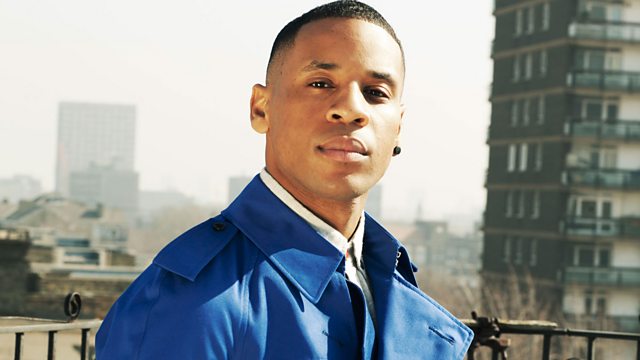
Reggie Yates was born on May 31st 1983, he is a British actor, film maker, DJ radio and TV presenter. He is best known for the documentaries on BBC Three
Reggie Yates' Extreme Russia,
Extreme South Africa and Extreme UK,
Teen Gangs
in Texan jail
and the insider
The insider is two episodes on BBC Three where Reggie yates puts himself in some of the world's brutal situations. This was one of the recent documentary he has done. Reggie Yates spends one week in Bexar County Jail, Texas, eating, sleeping and working alongside the inmates. America incarcerates more people than any other country in the world, and the largest population ofinmates are housed in Texas. Yates wants to figure out what is life really like on the inside, and how does this actually impact your life being in this type of environment. he finds that around a quarter of the inmates have a diagnosed mental illness. He attempts to understand how such prisoners are treated and explores the extent to which the line between mental health and criminality are blurred. He comes to learn more about his fellow inmates’ crimes and diagnoses, and gets to know the guards responsible for their daily care. Ultimately, Yates questions the system and whether a jail can also be a mental health facility.

Acapulco was once a tourist paradise, now it’s the fourth most dangerous city in the world. As the situation spirals further and further out of control, the army have been called in. Yates wants to see what is like for young soldiers putting their lives at risk. finding out how it feels to be fighting a war against your own countrymen in a place where you don’t know who the enemy is. This is serious because you don't know who to trust because they either could be with you or against you.

The Genre for both of these documentaries relate to crime and the political aspects of the documentary. The 'texan jail' represents the jails in Texas as a bad place for people that commit the crime but have mental health issues, they actually make the convicts even worse in the jail. The narrative surprisingly makes us more empathetic towards the inmates because it tells that have been put into prison for reasons that may seem minor in the UK, it tells us how strict it is in the UK and they don't give any care for people that have issues mentally, which tells that the jail cels are not meant for everyone. For the ' Mexican Drug war' represents what young teenagers have to go through, instead of having and education they have to battle between their future and the drug war that is happening in Mexico. For both documentaries this gains empathy for the audience because they have to see what young kids and people with mental issues have to go through, and this is something that they cannot change because it war of their law.
Keith Dube
'Being black, going crazy'
 Keith Dube is a blogger and a radio presenter who speaks to mental health experts and community leaders about Black mental health. Analysing the factors that could relate to the statistics. involving racism, religion, social and and seeing if urban deprivation is an issue in black communities. Dube finds that 67 percent of black people with mental health difficulties have been treated unfairly by their own families.
Keith Dube has experienced personal issues himself like depression. He as even blogged about his depressed and was stunned by the fact that people were able to relate to his depressed, and he's even used the social media to see the issues that people face as a black person with mental issues. Keith visits a secure mental health unit to try to better understand the mental health crisis facing the black community.
Kieth Dube represents mental illness within the black community as something that needs to be taken seriously because, most black people that come from religious family see 'mental illness' as a 'demonic spirit' which is not necessarily the case. this brings a lot of empathy in the black community because they are mostly misjudged in society. Its even worse when you come from a deprived area, you are not taken care of. This documentary attracts the black audience that may have a mental illness but are afraid to to tell their family because of what they might think.
Genre
Steve Neale

Stephen Neale was born January 9th 1958. He is a British philosopher, Neale's writings are primarily in the philosophy of language.
Steve Neale said that " genres are instances of repetition" meaning that he believes that film and Genre are defined by two different things. His theory is that when a film conform with the genre and stereotype it must identified to these conventions so that it can be seen a film of that particular genre. However when it is subverts the stereotype, genre and conventions, it must be subversive enough to be viewed as a unique film, not a copy.
STUART HALL
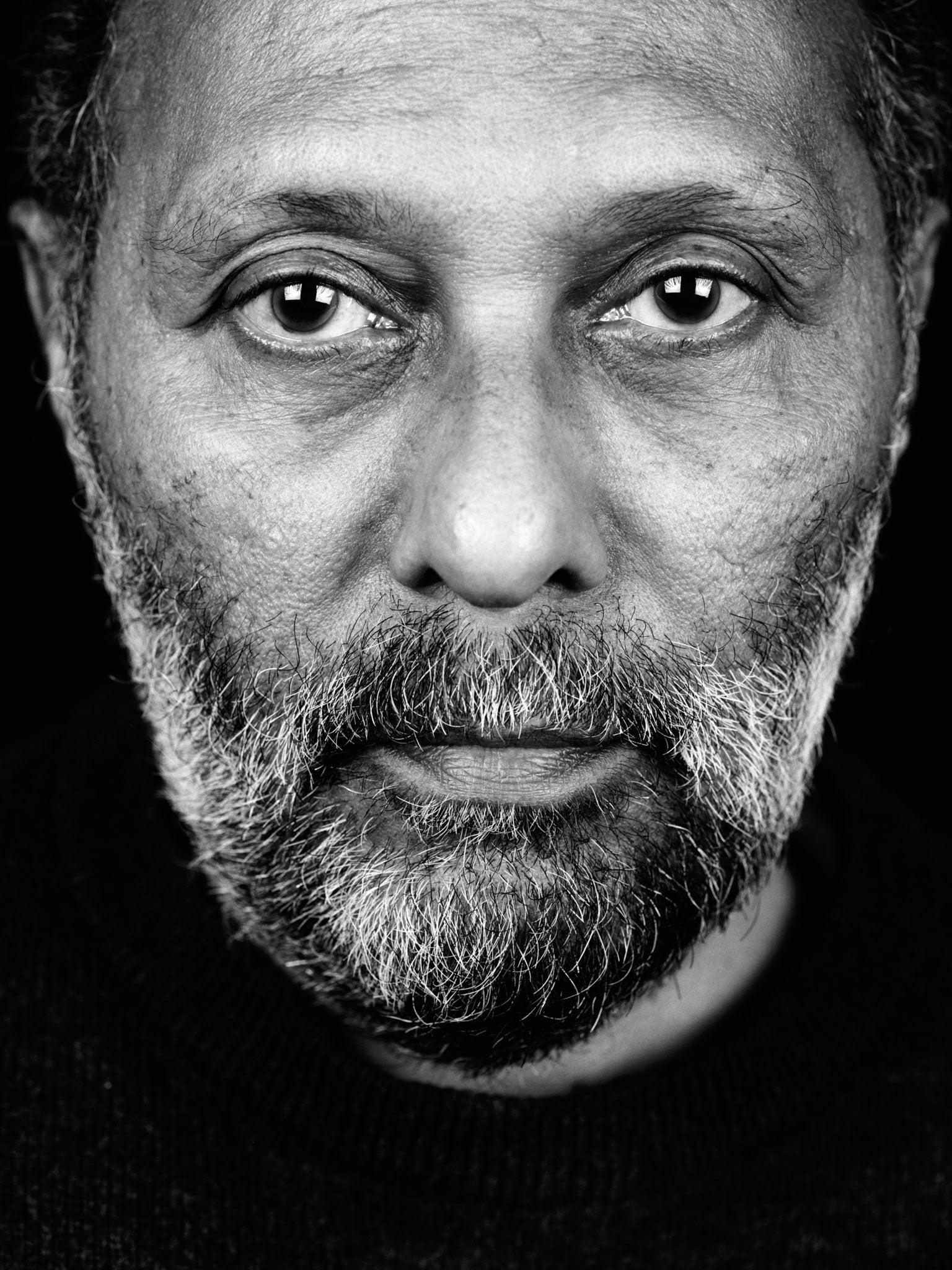
Stuart hall was a sociologist and cultural theorist, he was born in Jamaica but lived in the UK. He attended Jamaica College and achieved a scholarship at the University of Oxford, where he studied English. Stuart hall helped me understand the concept of audience because he was famous for expanding views on race and gender he expanded the scope of cultural studies.
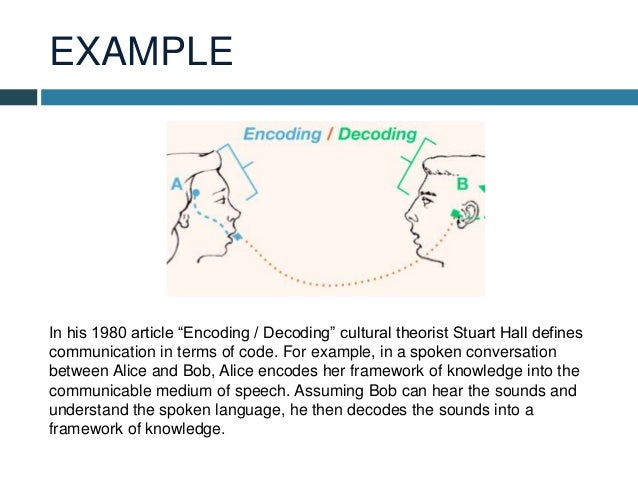
There was a method of communication which the audience are both the receivers and the senders of the message, and it was a theory that Stuart Hall came up with. Encoding - Decoding examines the relationships between a text and its audience. Encoding is the process by which a text is built by its producers and Decoding is when the audience reads and understands the interpretation of the text.
DOMINANT:
The audience takes the actual meaning directly, and decodes it exactly the way it was encoded, this is a way for them to respond.
NEGOTIATED:
Audience accepting what the producer has intended to do with their own views and understanding in relation to the text, audience might disagree or find their own meaning to the text.
OPPOSITIONAL:
When the dominant reading is refused, because the reader disagree with it or was offended by it, for political, religious reasons.
NARRATIVE
Tzvetan Todorov and Roland Barthes
Todorov argues that narrative constitutes a transformation, when the characters or situation are transformed through the story. The disruption itself takes place outside the normal social events e.g. murder, mystery cases etc. Though this structure is very traditional, it is in turn also familiar to many audiences and therefore be applied to many mainstream film narratives.
Roland Barthes describes text as a 'galaxy of signifiers' rather than a structure of signifiers, meaning it has no beginning, is reversible and can be accessed through several entrances. In other words, Barthes believes text to be like a tangled ball of thread. Looking at this viewpoint through the perspective of narrative, one viewpoint and one set of a previous experience can be interpreted in one way, however this can continue to be unravelled from another angle to create an entirely different meaning.
5 codes which consists narratives :
Hermeneutic Code - Also known as 'the voice of the truth', is the way the story avoids telling the truth or most of the facts to create mystery and allow audiences to solve the narrative themselves.
Enigma/Proairetic Code - Also known as the 'empirical voice', is how suspense is built up (e.g. cliff-hangers) and the audience is meant to be left wondering what's happens/is going to happen next.
Semantic Code - Also known as 'the voice of the person', points to any aspect of a text that connotes particular or often additional meaning by way of symbolising what the story suggests.
Symbolic Code - Also known as 'the voice of symbols', similar to the Semantic Code, organises semantic meanings into more in-depth and broader sets of meaning. This is usually done through antithesis, making way for new interpretations to arise in opposing ideas.
Cultural Code - Also known as 'the voice of science', looks at the audiences wider ideology, morality and cultural knowledge.
Roland Barthes describes text as a 'galaxy of signifiers' rather than a structure of signifiers, meaning it has no beginning, is reversible and can be accessed through several entrances. In other words, Barthes believes text to be like a tangled ball of thread. Looking at this viewpoint through the perspective of narrative, one viewpoint and one set of a previous experience can be interpreted in one way, however this can continue to be unravelled from another angle to create an entirely different meaning.
5 codes which consists narratives :
Hermeneutic Code - Also known as 'the voice of the truth', is the way the story avoids telling the truth or most of the facts to create mystery and allow audiences to solve the narrative themselves.
Enigma/Proairetic Code - Also known as the 'empirical voice', is how suspense is built up (e.g. cliff-hangers) and the audience is meant to be left wondering what's happens/is going to happen next.
Semantic Code - Also known as 'the voice of the person', points to any aspect of a text that connotes particular or often additional meaning by way of symbolising what the story suggests.
Symbolic Code - Also known as 'the voice of symbols', similar to the Semantic Code, organises semantic meanings into more in-depth and broader sets of meaning. This is usually done through antithesis, making way for new interpretations to arise in opposing ideas.
Cultural Code - Also known as 'the voice of science', looks at the audiences wider ideology, morality and cultural knowledge.
 |
| Barthes viewed this as being reflective of linguistic structure. This model is similar to mapping an underlying structure of language. |
Codes and conventions:
For me to produce an excellent film documentary i need to be able to understand the, the codes and conventions of the documentary. For me to identify the codes and conventions i identified 5 documentary films and i found out what all of the documentaries had in common. Interviews is something that it is crucial in documentaries and that is what i saw in Grizzly man and the Carter documentary.
Interviews:
Interviews are important in a documentary, because it allows you to understand the character's personality and how they present themselves. This also conveys a sense of realism to the views that watch the interviews, and it makes the film more valid because you're getting an insight into peoples lives. An example would be Keith Dube 'being Black, going Crazy?' when he interviews the black teenagers that have a mental illness. This makes the viewers have a better known of how the person feels and what they have to go through. Relating to black teenagers/adults that maybe afraid to tell their parents that they have depression etc.

Voice Over:
Another code and convention is the voice over commentated by the film maker, spoken while the camera is filming, or added to the soundtrack during the production. Through this the filmmaker can speak directly to the viewer, offering information, explanations and opinions. This brings realism into the documentary, because your also able to feel the presence of the filmmaker and his opinion of the production. It also helps the audience gain better understanding of what the Documentary is about what the aim is and why they feel it is important.

Sound:
Sound non-diagetic sounds is important when creating a documentary. Like voice overs it can spoken in a certain way depending on subject. An example would be an interviews with some of the inmates that are in the 'Texan jail Reggie Yates' , non-diagetic sounds can be detected in the form of soundtrack. One of the inmates would be speaking about what they did that led them to jail, and how they feel about the jail cell.

My original Idea
This 'My childhood' was my original idea, before 'The london Bus Breh' concept came.

I made a storyboard of my initial idea, and it was to make a documentary about my childhood and where i grew up for the past 10 years. I decided to use my estate because it was known for a lot of crime and riots that happened in 80s, it was considered as the worst place to live in the United Kingdom around that time. I also wanted to show that it wasn't as bad how the media portrayed it to be. My estate is called 'Broadwater farm' and it is based in north London/ Tottenham. It is the most ethnically diverse locations in London with 39 different nationalities.

After the riot in 1985, Broadwater Farm now has one of the lowest crime rates of any urban area in the world. In the first quarter of 2005, there has been no robberies and assaults. this compares with 875 burglaries, 50 robberies and 50 assaults in the third quarter of 1985, that happened after the riot.
This is a documentary about mark Duggen's death which caused the riots in 2011. Mark Duggen grew up in 'Broad water farm' and i also grew up in the same estate. I felt like this is fantastic idea to show whether the area you grow up influence the way you behave, especially because the broad water farm estate is known for its mad reputation. I also wanted to portray how Mark Duggen death effected the farm estate and black african/caribbean society.

This is my pitch and i'm basically talking about my idea, childhood memories, the people that live in the area, and explaining what is like to live in a neighbourhood that was considered to be the worst place to live. I want to juxtapose what the media actually portrays 'Board Water farm' and what i actually think it is.
Around August 11th we started our interview with Isaiah ( who is a bus fanatic). We was asking him question on where he had developed his passion for buses, finding out what he does in his spare time, his opinion on living in London, his favourite bus routes, least favourite and what his plans are for the future. We then went to Hammersmith bus station located in west London to get time lapse shots which were suited for our documentary, so the it would be of the many buses that goes pass.

On the second day of filming, we recorded without a teacher being present, following Isaiah's daily bus photography routine in the evening in which we had been out till 12:00am. We had started filming at 1:00pm, We decided to shoot our introduction in which Isaiah is walking to catch a bus to his home. We thought that this give an idea of what will be talking about in our documentary.One that day we followed Isaiah starting from St Johns Wood going to Tower Bridge in order for him to capture photos of the new 42 route master,to show that he also does photography. We had filmed Isaiah speaking about what he had planned to achieve by the end of the day. Luckily we got a short interview of one of the 42 bus drivers, which had happened when he saw that Isaiah was eager to get a good photo of the bus from a specific angle. making sure we capture the realism of what Isaiah actually does on a daily weekend basis and understand why he has such passion for buses.
Our Introduction of the doc:
This our first introduction to the 'London Bus Breh' ( the name of our documentary) and we decided to name it this way because that is Isaiah's name on the social media that he uses, we thought it would be fantastic because this is about him and people our trying to make people understand what he does, and why it is a very important for him. We Wanted to make the introduction relate to the title of the documentary by having shots of the bus at the beginning and then another shot of Isaiah at the bus stop, with thought that this is a good way of the audience to explore how we used story techniques to get the message across. We also added the facts into to show that this is non-fictional and tell the audience that this is actually true.
Group meeting:
We Had a group meeting and we discussed on what we add onto our documentary, especially shots, we wanted do interview so that audience will get to know Isaiah better. We also wanted the time lapse of buses to set the scene, and embed shots from his home so we can get a clear understanding of how his love for buses happened.
Documentary Sub-Genres
Within documentary film, there are also sub-genres derived from the genre itself, with its varied conventions. Therefore, documentaries can be split into 6 different forms:
Poetic - This mode moves away from continuity editing and instead organised images of the material world using associations and patterns. Films are fragmentary, lyrical and impressionistic.
Expository - These speak directly to the viewer as authoritative commentary, posing a strong viewpoint/thesis. The films would be rhetorical, and the commentary often sounds objective and omniscient like a 'voice of God'.
Observational - The films spontaneously observe life with minimum intervention. It aimed on providing immediacy, intimacy and revelation of human character in ordinary life scenarios.
Participatory - This mode emulates the approach of participant observation and so makes the filmmaker part of the film, to show how situations in a documentary would be affected from the his/her presence (also known as cinema verite).
Reflexive - These films prompt viewers to "question the authenticity of documentary in general". Being the most self-conscious of all the types of documentary, these sub-genre of documentaries then become highly skeptical of its "realism".
Performative - The films stress subjective experience and emotional response to the world, being strongly personal and unconventional. They link up personal accounts with larger historical and political realities. They might include hypothetical enactments of events designed to show viewers what it's like to have a certain perspective of the world which isn't of their own.
Within documentary film, there are also sub-genres derived from the genre itself, with its varied conventions. Therefore, documentaries can be split into 6 different forms:
Poetic - This mode moves away from continuity editing and instead organised images of the material world using associations and patterns. Films are fragmentary, lyrical and impressionistic.
Expository - These speak directly to the viewer as authoritative commentary, posing a strong viewpoint/thesis. The films would be rhetorical, and the commentary often sounds objective and omniscient like a 'voice of God'.
Observational - The films spontaneously observe life with minimum intervention. It aimed on providing immediacy, intimacy and revelation of human character in ordinary life scenarios.
Participatory - This mode emulates the approach of participant observation and so makes the filmmaker part of the film, to show how situations in a documentary would be affected from the his/her presence (also known as cinema verite).
Reflexive - These films prompt viewers to "question the authenticity of documentary in general". Being the most self-conscious of all the types of documentary, these sub-genre of documentaries then become highly skeptical of its "realism".
Performative - The films stress subjective experience and emotional response to the world, being strongly personal and unconventional. They link up personal accounts with larger historical and political realities. They might include hypothetical enactments of events designed to show viewers what it's like to have a certain perspective of the world which isn't of their own.
Filming techniques
Premiere Pro was a fantastic tool for video editing, graphic design and web developing. It is the main program that provides the basic components for creating a professionally edit for my film Production.

This is able to bring digital visual effects into a higher definition, allowing the motion graphics and compositing application which is part of the workflow of the Adobe Premiere Pro. to begin with i went into the project file so that the different footage of the video is organised, which will allow me to preview both videos at the same time. I thought it would be beneficial to utilise premiere pro as its needed for tracking,so that we will be able to go back and add some effects to the film which would bring the 2D animation, titles or adding special effects which can be much more easier to do. Enhancing the effects features by being able to create titles with the use of key frames or creating a motion graphic for the video.

I opened up premier pro, then opened a new project, i went onto the project file in a organize the videos that i have. The project window is a library of all my media and the preview window. The arrow allows me to select any tool that will allow me to grab, drag or zoom in to the video I want edited.

This is one of the scenes where we decided that we wanted to include some graphics into the video, because Isaiah talks about a particular bus that he dislike which was P5 and he describes how his journey was like on that bus. We decided that we wanted to include a short map video, showing the journey. I thought that this was a creative idea which will bring some sort of humour and narrative to the documentary, it is something that most TV documentaries do not use a lot. The Map that is at the top of screen next to Isaiah was taken from the TFL website where we went to the P5 bus stop which we got a shot of the bus , fitting with Isaiah talking about P5. To do this we took a screenshot of the route from the TFL and add it onto the video. we went onto the effects controls in oder for the image to zoom in slowly, by setting the scale from one point to another, doing this will slowly make the image zoom in, so that the audience can have a better view of the map.

We wanted to edit the colour of the footage, specifically the dark areas that didn't really get a good shot. We wanted to brighten up to set the scene, which will it obvious to the audience which time of day it is. we went onto the effects controls and selected the three way colour wheel. Allowing us to brighten the background of the clips, by selecting the Highlight wheel. The wheel which is used to darken specific areas in the footage is the Shadow wheel, an example would be keeping Isaiah's coat the same colour, because its already dark, but brighting the parts where the parts where it is reflected by the sun, brings the natural light into the footage. Additionally, we clicked the middle of the wheels we wanted and dragged the cursor to adjust the Mid tones, shadows and highlights.

Cutaways was very useful in this particular clip, to be able to show the different shots in one clip, whilst Isaiah talks about his favourite buses. we was. We was able to cut and edited from the sounds on the Timeline, so what he was talking about will be relevant to the video that is being shown, so that is has more of a narrative aspect to the clip. what make Premier Pro useful is that everything that is at the top of the timeline is what is seen on screen. You are also able to turn off the first layer that you see on the screen, which will make your screen blank. The Yellow and Blue audio/video on the timeline are two different clips which are being implemented together. There is the audio layout at the bottom of what you actually see on the screen, so you could decide to stop mute the video and the audio would be playing. This allows you to use cutaways very effectively within the scenes.

This video edited above is my edit in Adobe Premiere Pro, in which i test out in the timeline, a interview shot layered up with two cut aways in which we show a event or place that our interviewee is talking about this is also known as a B-roll within documentary, from looking at existing media text, this is a typical convention in documentary, which is why i decided to test out, to improve my editing skills. In the video there is a clear narrative sequence with beginning with our subject a cut away to what he's talking about followed by another clip of our subject.
The video above is of us discussing how we want this to be the last time we enter Isaiah's house for filming, so that we wouldn't have to go back there for anymore footage. I decided to contact him to see if our group we're able to go to his house on Wednesday the 12th of October to film interviews where we ask different questions and film his uploading photos on flicker. Initially, Isaiah agreed that we could come over on Wednesday, however after this phone call he suggested that Monday the 10th would be a better day for us to go over.
We invited Steve Fletcher to our school, so that he could give us feedback on our short television documentary. He was very impressed in the cutaways we took, the visuals of the London buses that we captured also impressed which made him more interested into watching the video. However, Steve disliked when Isaiah was explaining his worst bus route and the screen went black, he said he was confused to why the screen went black and how it didn't make sense to him. We took his criticism into consideration and changed it.
Gideon who is one of our class mates was very impressed with the intro which included the music and cutaways within the shot. Gideon did say that Isaiah needed to go into more detail when he talks about the shots he's taken of the buses, But overall he was impressed with the graphics we introduced into the scenes.
|
Hazard
|
Who is at risk?
|
Controls
|
Severity of injury
|
Chance of injury
|
Risk
|
Additional control measures
|
|
Filming at Isaiah’s house
|
Dominic, Walid, Bruno and Isaiah
|
Putting all the cups and plates away, when filming in the
kitchen
|
low
|
low
|
low
|
Placing camera’s in different places, which will allow you
to get certain angles.
|
|
Getting shots of the buses
|
Dominic, Walid, Bruno and the members of the public.
|
Warning the members of the public that we are filming. Making sure that they stay away from the shot.
|
high
|
High
|
High
|
Getting shots of the buses, from different angles. This includes the camera walking on to the road in order to get a fantastic shot.
|
|
|
|
|
|
|
|
|
Editing Techniques

I use photoshop to edit my poster because photoshop allows me to manipulate the different variety of tools that are provided. You can even change the whole image from the original picture which makes it very reliable to use. Once i started to use the photoshop more often i got the hang of it because it is very easy to use.
Before I started editing i had to make sure that the hight is bigger than the width because i want my poster to look more like a portrait.

After I'd copied my picture from the file its originally from, i go on file and click on place to paste the picture onto the screen. scale is very important because you want to make sure that it fits the page, this is scaled scale and position.
Another step i used was the the quick and select tool to cut the background from the person, so that it looks professional for the poster, and we don't want the background to distract the audience from the main purpose of the poster.

I then pasted him onto a new layer to cut him from the background, also using the rubber tool to cut out the sections of the background we do not need for my poster. To do this i go onto the rubber properties to decrease the hardness of the brush to give it a soft edge around his hair.

I went on Google to find a picture of a map of bus routes, i wanted a map because Isaiah shows us different bus routes that he likes, and it relates to buses. I placed the map on top his face, then i used opacity to make the image of Isaiah more visible and to make to picture of the map less visible. I used the rubber to take away some of the image that did not fit his face.

The blending modes helps to adjust the picture's properties to make it look realistic and blend more. The concept of the picture was to make the the map look like his veins and i thought that it would make the poster very creative because i placed the map where you wouldn't expect it to be. The picture also has this futuristic/ robotic feeling towards it which i find unique.

I went on Google to find a picture of a map of bus routes, i wanted a map because Isaiah shows us different bus routes that he likes, and it relates to buses. I placed the map on top his face, then i used opacity to make the image of Isaiah more visible and to make to picture of the map less visible. I used the rubber to take away some of the image that did not fit his face.

LO AND BEHOLD
We attended the ICA (Institute Of Contemporary Arts) on the 3rd of November 2016. We watched Werner Herzog's documentary called 'Lo and Behold' which discusses the influence of technology, and how it affects us as humans, and the development of robots, and how are hackers able to get into personal information of others. Figuring out if its the impact of the internet that is affecting us and technology.

This allowed us as A level students to understand the codes and conventions that Werner Herzog used, which will allow us ton develop ideas and incorporate them into our own TV documentary.which allowed me to discover various types of code and convention Herzog use like, archive footage, discovering whether our documentary has a narrative behind it, which will make the audience interested because there is a story to follow through, also incorporating voice overs and narrations. By being at ICA it allowed me to discover, the type of audience that i'm targeting to, because as i was at the cinema i noticed that the place was also a library, for people who enjoy books, which tells me as an audience Werner Hezog's audience is for people from the higher class and who are interested Herzog's productions.
Understanding Audiences:
The Genesis Cinema and the Institute of contemporary arts allowed me to understand audiences. The Genesis Cinema was a great way for the audience to see the documentaries. The first thing I did when I got to the cinema was observing the audience, and a notice that there was quite a lot young adults from the ages 18 and over. This shows the type of age category that the documentaries are going for. I went around and started to interact with audience and I found that majority of them were students. The Institute of contemporary arts was a completely different atmosphere, because the place was also a private library.I noticed a lot adults were watching the 'LO and BEHOLD' documentary, which tells me that Warner Herzog's target audience isn't just for the general public, but he was aiming it at a specific type of people,
This made me realise where would we preview our TV documentary and who are we aiming it for.
Newspaper Print Advertisement

This documentary called 'Amy' was analysed in class, for us to help us in our own newspaper print documentary. we had to identify the narrative behind this poster, and what it's trying to portray to the audience. A great example that we identified what the big bold title of the name 'AMY' in red. which automatically stands out to the audience. The photo of a girl in the background tells ne that it is about Amy Winehouse, goes to show this documentary is all about her. We even identified that the red could represent the trouble she faces in her life. The newspaper Print of this documentary helped us as a group to identify the type of image we are trying to show for our documentary.
|

This is our final draft of our newspaper print advertisement, we used Photoshop in order to implement the title ' The London Bus Breh'. We wanted to get a clear shot of Isaiah especially because the documentary was about him. We also used Google search to help us get ideas on how we want our poster to look like. To be creative we included the bus map onto his face, which automatically tells the audience that he has an interest on buses, we even added one of his favourite bus in the background to show that he's travelled a lot with buses.

 Our documentary will be viewed on ITV2, because we think that the target audience for that channel is young adults to adults. We want to try to impact on Young adults and their perception on buses. We inserted the logo of ITV2 on the bottom left, did this by getting this image off Google and saying it onto the desktop, then dragging the image on to the layer section.
We were able to manipulate the font size on the title and the logo. We even placed the time that the documentary will be viewed. We thought that this particular layout would be suitable. All the colours that are used in this newspaper print, has a matured look for our target audience.
Radio Advertisement
This is radio drama advert script
 |
The audio below is the final version of radio advertisement. |

We used 'Freesound' for our radio advertisement. This website is very useful for finding sound effects, which could make your video or audio effective. We searched "bus stopping" on freesound and it came up with different types of sounds. The reason why we implemented this particular sound we want the audience to hear what type of film documentary we're trying to present, because they can't see it they can only hear it, so we wanted to make the radio advert as affective as possible.

This is the completed version of our radio advertisement, we used Garage band to produce a soundtrack that our radio advert has. this picture above shows how we edited and cut certain parts in order to make it sound authentic.
London 'The London Bus Breh' Final version
Evaluation
1. In what ways does your media product use, develop or challenge forms and conventions of real media products?
2. How effective is the combination of your main product and ancillary texts?
3. What have you learned from the audience feedback?
4. How did you use media technologies in the construction and research, planning and evaluation stages?

No comments:
Post a Comment